
Creator‑Style Content, Studio Reliability:
A 2026 Playbook for Agency Producers
Clients still want polished brand work. But in 2026, almost every brief now includes some version of “we want it to feel like TikTok” or “more UGC‑style, less traditional ad.” That leaves agency producers in a tight spot: you are expected to deliver fast, authentic content that looks like it was captured in the wild, while still hitting brand guidelines, legal requirements and performance targets.
On real locations, that mix can be hard to control. Noise, changing light, tricky permissions and limited time with talent all chip away at your schedule and your margins. One way London agencies are resolving that tension is by bringing “creator‑style” content into a professional studio environment, so they get the looseness clients love with the reliability producers need.
At West London Studio, we see this pattern on more and more agency jobs. Below is a practical playbook for designing creator‑style content in a studio, written from a producer’s point of view.
The Producer’s Problem: UGC Look, Brand‑Safe Reality
The last few years have trained audiences to expect content that feels spontaneous, conversational and vertical‑first. Creator and UGC‑style footage still outperforms obviously “traditional” ads in many feeds, especially for awareness and consideration. But when you are producing for brands with legal, compliance and usage concerns, pure UGC quickly runs into limits.
Typical headaches for producers:
Inconsistent quality when relying on creators or in‑house teams to self‑shoot.
Sound issues from real‑world locations that are hard to fix later.
Limited coverage because you cannot reset easily or control the environment.
Brand‑safety worries around what is visible in shot, who appears on camera and how assets can be reused.
The challenge is to keep the feel of UGC while moving the process into a framework you can schedule, cost and repeat. A studio day is often the most efficient way to do that.
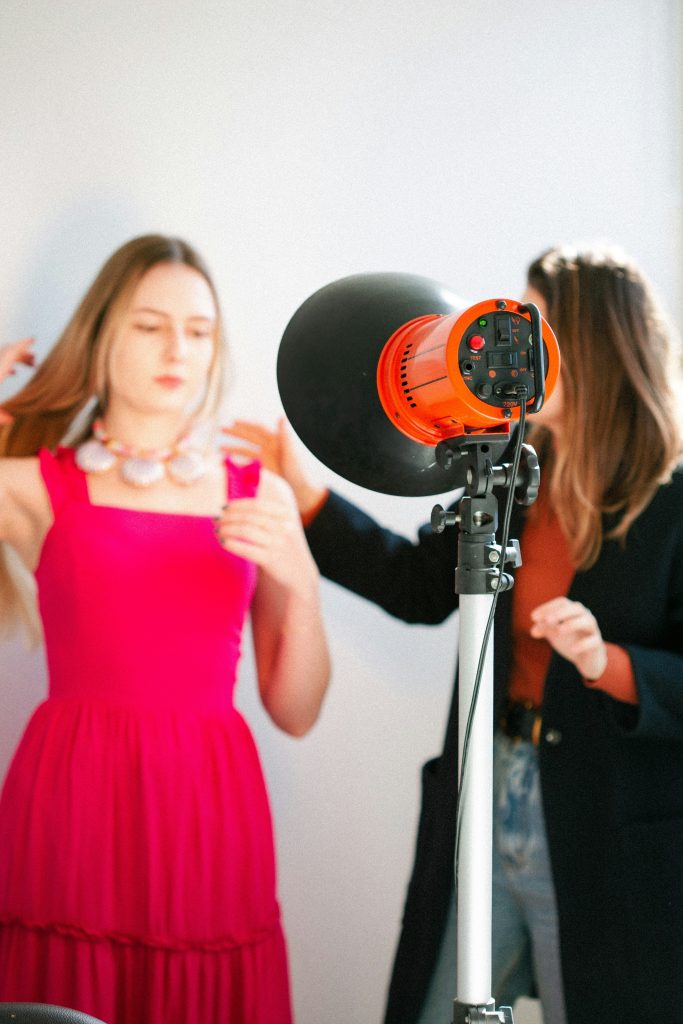
What “Creator‑Style” Looks Like in a Studio
Creator‑style in 2026 is less about shaky footage and more about tone: relaxed performance, direct‑to‑camera delivery, a sense that viewers are being spoken to rather than advertised at. You can absolutely achieve that in a studio if you build it into your approach.
In practice, that often means:
Framing that mimics phone camera POV (slightly looser, eye‑level, sometimes 9:16 protected) but trying to avoid any overdoing.
Delivery from real people, staff or talent who sound like themselves rather than reading corporate scripts.
Small imperfections left in: laughs, rephrases, side comments, rather than over‑polished takes.
Simple, believable environments – a creator “desk”, a casual sofa, a product bench – not big set builds or props you probably wouldn’t find in credible scenarios.
In the studio, you can layer on the production discipline – clean audio, consistent exposure, multiple angles – behind that creator‑style surface. The end result reads as native to social feeds while still giving you the material you need for high‑performing edits.
Why a Studio Solves Producer Headaches
For producers, the main advantages of a studio over location for this type of work are about control, speed and client management.
Key benefits:
Predictable environment – No traffic noise, no changing daylight, no sudden building works next door.
Multiple “sets” in one space – You can create 2–3 distinct looks with simple art direction and lighting variations, without moving crew around London.
Faster resets and coverage – You can roll multiple takes, adjust framing, swap props and reset talent quickly.
Brand and legal safety – You control every object in frame, every release and every asset, making re‑use and versioning far easier.
Happy clients – A comfortable client area, clear monitoring and a calm schedule make approvals on the day much smoother.
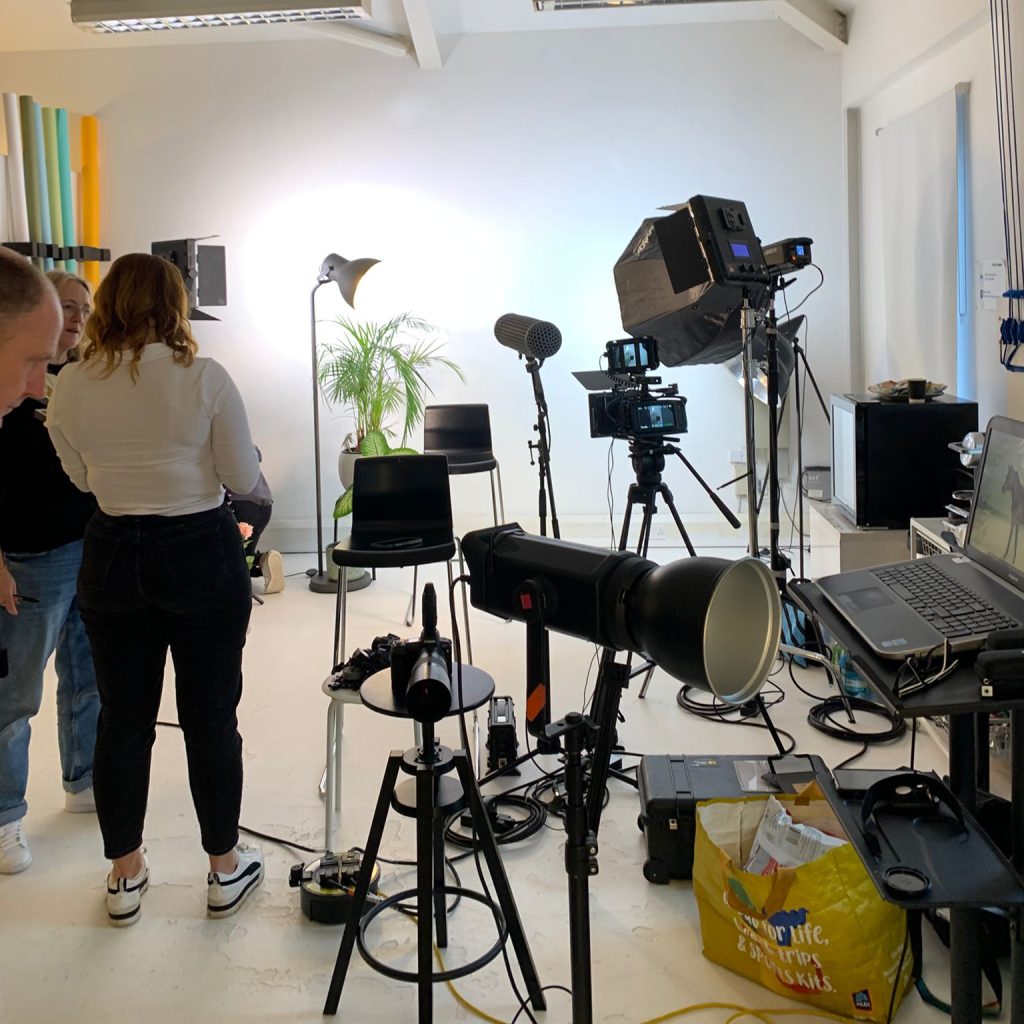
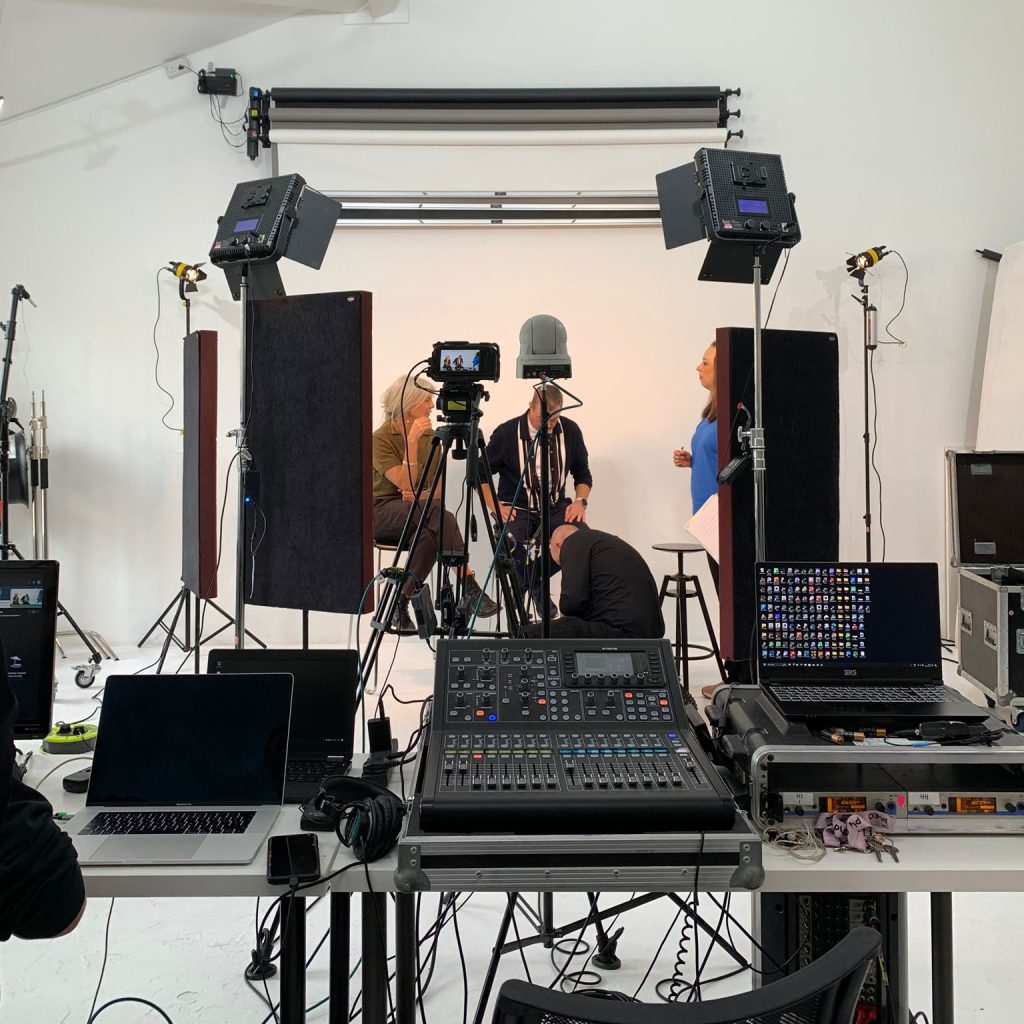
At West London Studio, producers commonly run three parallel zones: a UGC‑style corner for direct‑to‑camera, a sofa area for two‑person conversations and a simple product/demo surface. That gives them enough variety for a campaign of short‑form pieces without needing multiple days or locations.
Designing a “Creator‑Style in Studio” Day
To get the most from a studio day, treat it like a content factory for your client’s campaign, not just a single hero shoot.
1. Start with a deliverables grid
Before you write your call sheet, map out the deliverables your client actually needs:
Number of hero edits (e.g. 3–5 core concepts).
Number of variants per hero (hooks, intros, CTAs, offers).
Platforms and specs: 9:16, 1:1, 16:9, bumper lengths, etc.
From that, you can reverse‑engineer what needs to be captured: lines, reactions, product moves, transitions and cutaway options.
2. Plan 2–3 flexible micro‑sets
Within the studio, plan two or three small, flexible setups that can change quickly:
A “phone camera” corner with simple background, maybe a desk or shelf, that feels like a creator’s space.
A small lounge/sofa setup for more conversational pieces or testimonials.
A product bench or standing area for demos, unboxings or how‑tos.
With minor tweaks to props and lighting, each setup can serve multiple brands or campaign lines across the day.
3. Cast and direct for natural delivery
To keep the creator feel, you want performances that feel conversational rather than corporate:
Use bullet points instead of full scripts where possible.
Encourage talent or staff to rephrase in their own words, as long as key claims are accurate.
Record extra time at the end of each take for asides, reactions and alternative hooks – these often become the best performing openers in edit.
Because you are in a studio, you can give talent a calm environment and clear marks, making it easier to get natural delivery without burning time.
4. Overshoot hooks and CTAs
In performance‑driven social and UGC‑inspired campaigns, the hook and close do most of the work. Use the studio environment to overshoot these:
Multiple alternative first lines for each concept.
Different CTA framings: “learn more”, “shop now”, “try it free”, brand‑building vs performance CTAs.
A mix of emotional tones: playful, direct, reassuring.
Back in edit, this gives you the raw material to build and test many creative variants from the same base shoot.

How West London Studio Supports Agency Producers
For agency teams, the question is always: how much support do you need from the studio and how much are you bringing in‑house? At West London Studio we work both ways: as a pure, well‑equipped hire space for your own crew, or as a collaborative production partner.
For producer‑led jobs, we typically provide:
A ready‑to‑shoot studio with sound‑treated space and all lighting equipment.
Layout options that make it easy to run multiple micro‑sets for creator‑style content.
Optional crew support – camera, sound, gaffer – if you want to keep your core team lean.
The goal is simple: give you a controlled environment where you can reliably deliver “creator‑style” campaigns without firefighting locations, noise or logistics. You keep creative and client relationships; we make sure the shoot day runs smoothly.
Ready to Plan Your Next Studio Day?
If you are an agency producer in London trying to reconcile creator‑style briefs with real‑world production constraints, bringing that work into a studio can be the difference between a smooth day and a salvage job. West London Studio can help you design a studio layout, schedule and shooting approach that gives your clients the authentic, social‑ready content they want – with the control and reliability you need.
If you would like to talk through an upcoming brief or scope a “creator‑style in studio” day for one of your clients, get in touch with the West London Studio team so we can help you build a plan, budget and schedule that works for your team.